
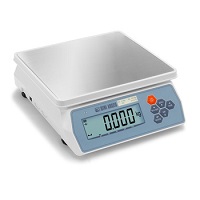
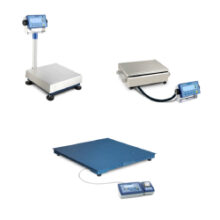

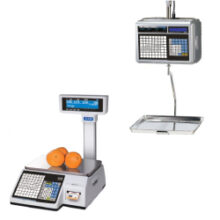
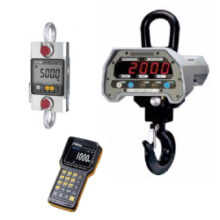








































Factors to Consider When Buying a Micro Balance:
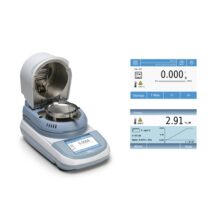
When buying a microbalance, consider important factors like capacity, readability, precision, and budget. Evaluate stability, repeatability, built-in features, and compatibility with existing systems. Also, assess ease of use, calibration, and maintenance requirements.
- Capacity: Maximum weight the microbalance can measure accurately.
- Readability: Smallest increment the microbalance can display.
- Precision and Accuracy: Consistency and reliability of measurements.
- Sensitivity and Tolerance: Ability to detect small weight changes and acceptable deviation ranges.
- Calibration: Requirements for calibration intervals and procedures.
- Units of Measurement: Support for required measurement units (grams, milligrams, etc.).
- Display and Interface: Clear and user-friendly display and interface.
- Response Time: Speed at which stable measurements are provided.
- Connectivity and Data Transfer: Options for connecting and transferring data to other devices or systems.
- Power Source: Power requirements and availability (batteries, AC power, etc.).
Choosing a Reliable Supplier:
Choose a reputable supplier by looking for authorized dealers, reading customer reviews, and verifying their track record. Consider after-sales support and warranty policies. Ensure the supplier provides genuine products with proper documentation.
Tips for a Successful Purchase:
Research micro balances, understand technical specifications, and define your requirements. Seek expert advice from sales representatives or technical experts. Compare options based on features, prices, and reviews. Consider after-sales support and warranty coverage. Plan for calibration and installation.